Guest post by Nicole Wolf, Berkshire Hathaway Fox & Roach Realtors
Welcome to Princeton North, an area of convenience and walkable living in the heart of Princeton, NJ. Nestled amidst charming streets and a vibrant community, Princeton North stands out as one of the most sought-after neighborhoods for environmentally conscious residents who cherish a predominantly walkable lifestyle. In this exploration, we’ll dive deeper into why this neighborhood is the perfect blend of accessibility, amenities, and eco-friendly living.
Spotlight on Local Businesses, Parks, and Landmarks
Witherspoon Street Wonders: Sakrid Coffee Roasters & Homestead
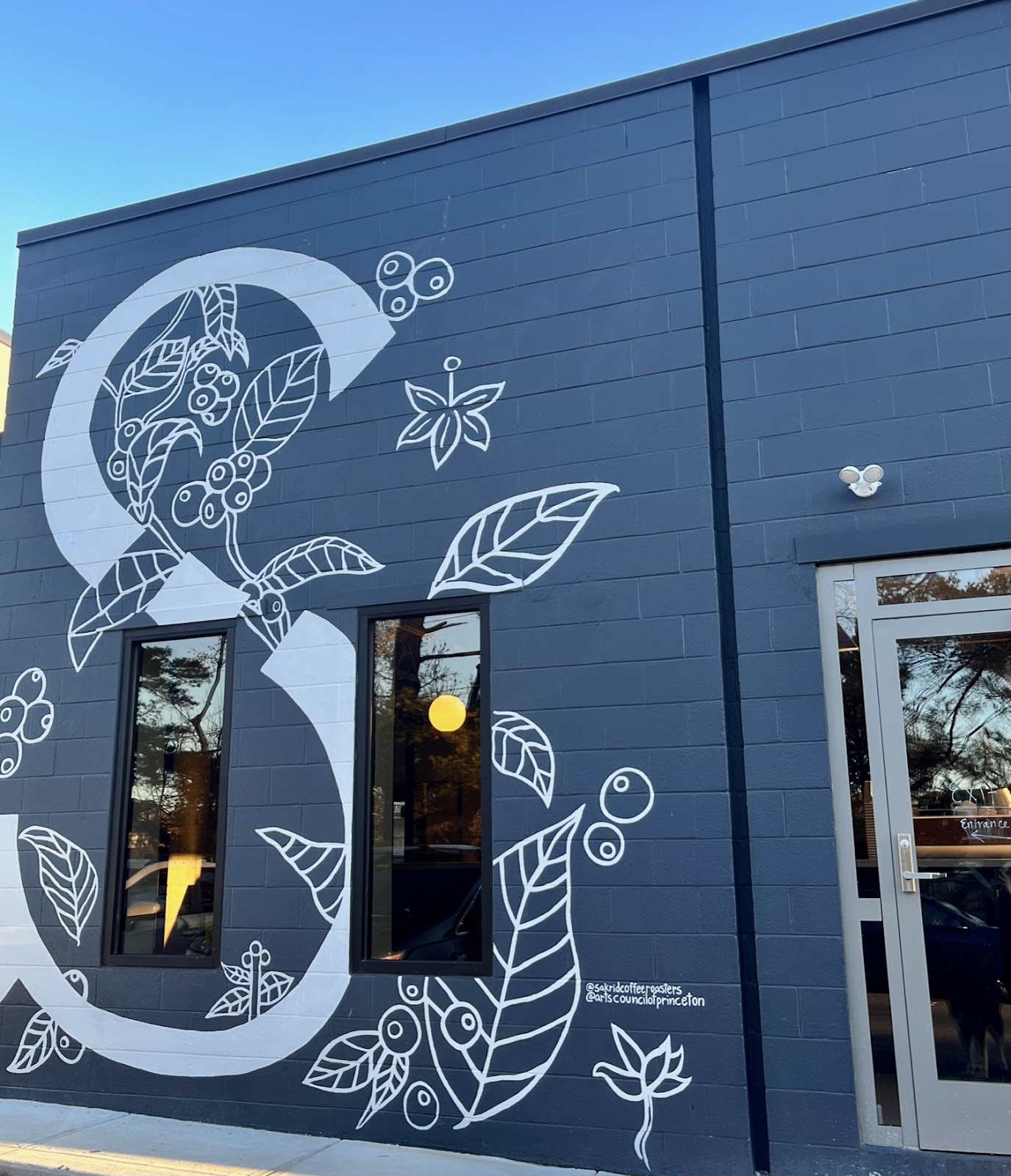
Indulge your senses at Sakrid Coffee Roasters on Witherspoon Street. This neighborhood coffee shop
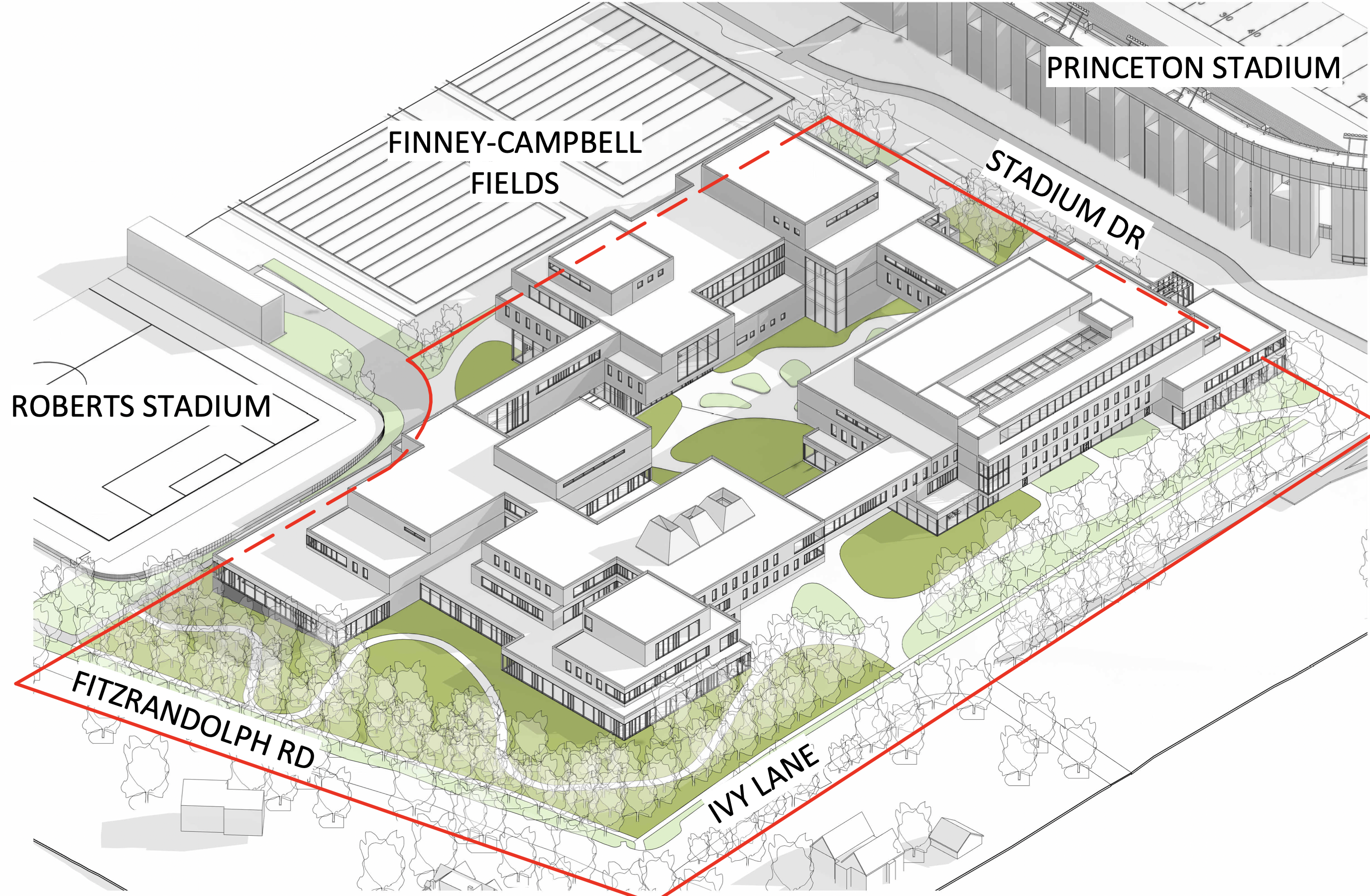
Rendering of proposed Princeton University ‘Quantum Institute’, via princetonnj.gov Planning Board
Princeton University has signaled its intention to continue the expansion in the so-called ‘East Campus’ neighborhood near the Princeton Stadium. Based on a new ‘concept plan’ submitted to the Princeton municipal planning department, the University envisions a substantial new complex that will be called the ‘Quantum Institute’. The new Institute will be on Ivy Lane, between Fitzrandolph Road and Stadium Drive (map).
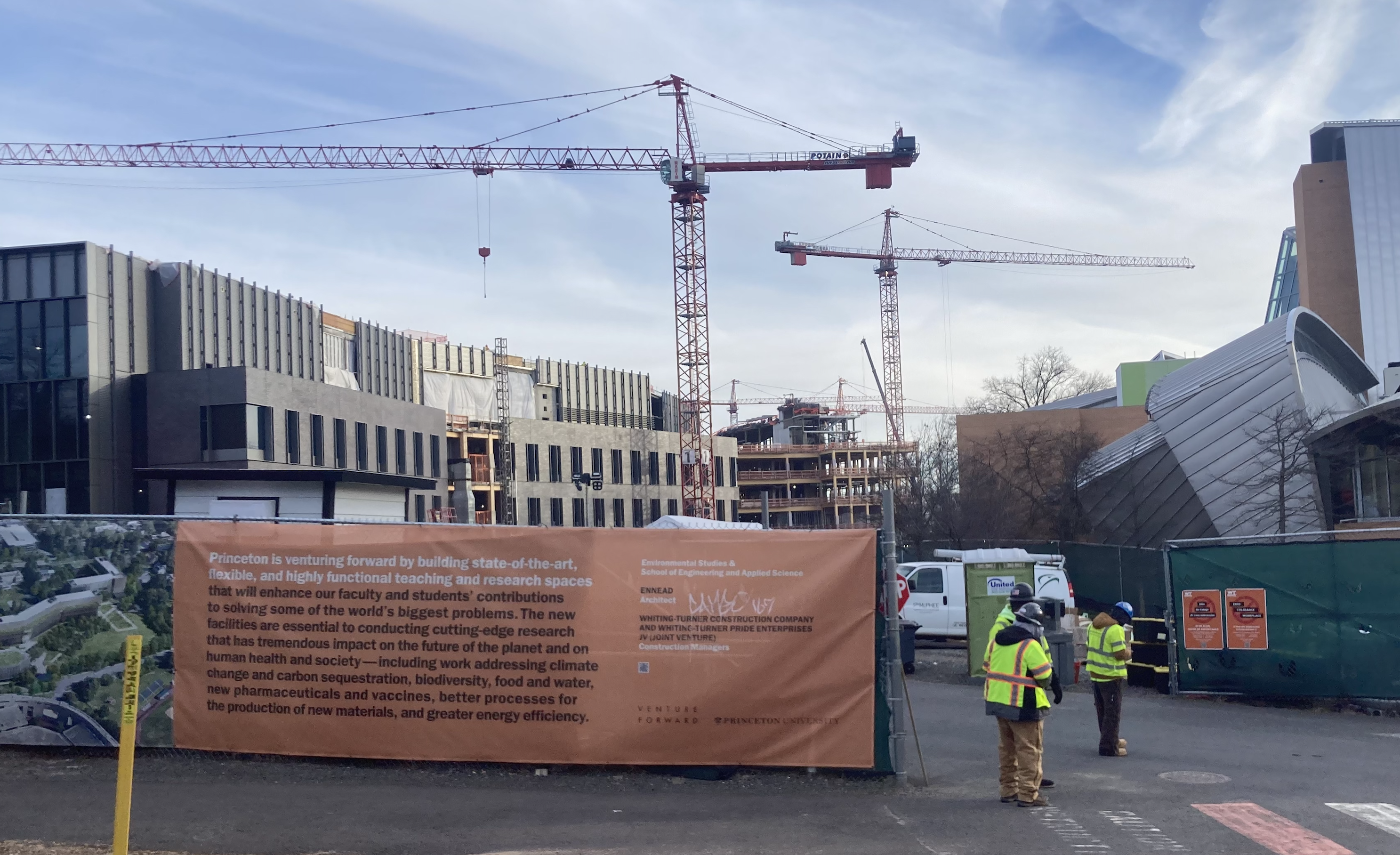
Princeton University campus became a hive of construction in 2023 as the University advanced numerous projects.
A new year beckons, and what could 2024 bring for the town of Princeton? Let’s consider the possibilities…and read on to review how we did with our predictions for last year!
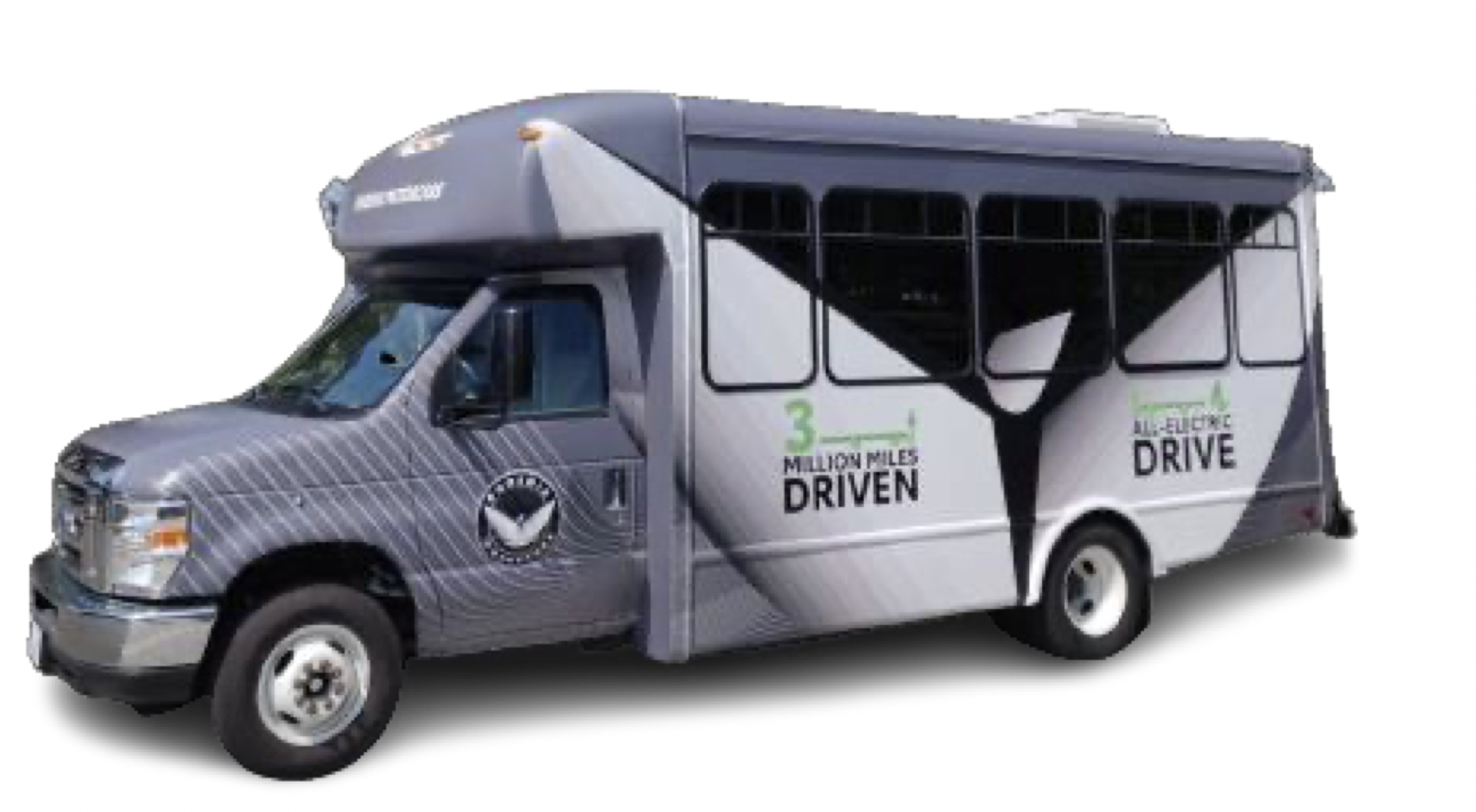
The Phoenix Motorcars E-450 shuttle bus, an all-electric vehicle, which will service Princteon’s Municipal Bus Service
At their pre-Thanksgiving meeting on November 21, Princeton Council approved the purchase of two new electric vehicles. In particular, these are electric buses, to provide service on the town’s free municipal jitney route. The purchase will allow the service to transition from diesel buses to a clean, all-electric alternative. Local taxpayers will also pay an incredibly low price for these buses, because the town secured an enormous grant contribution from the state to offset their cost.
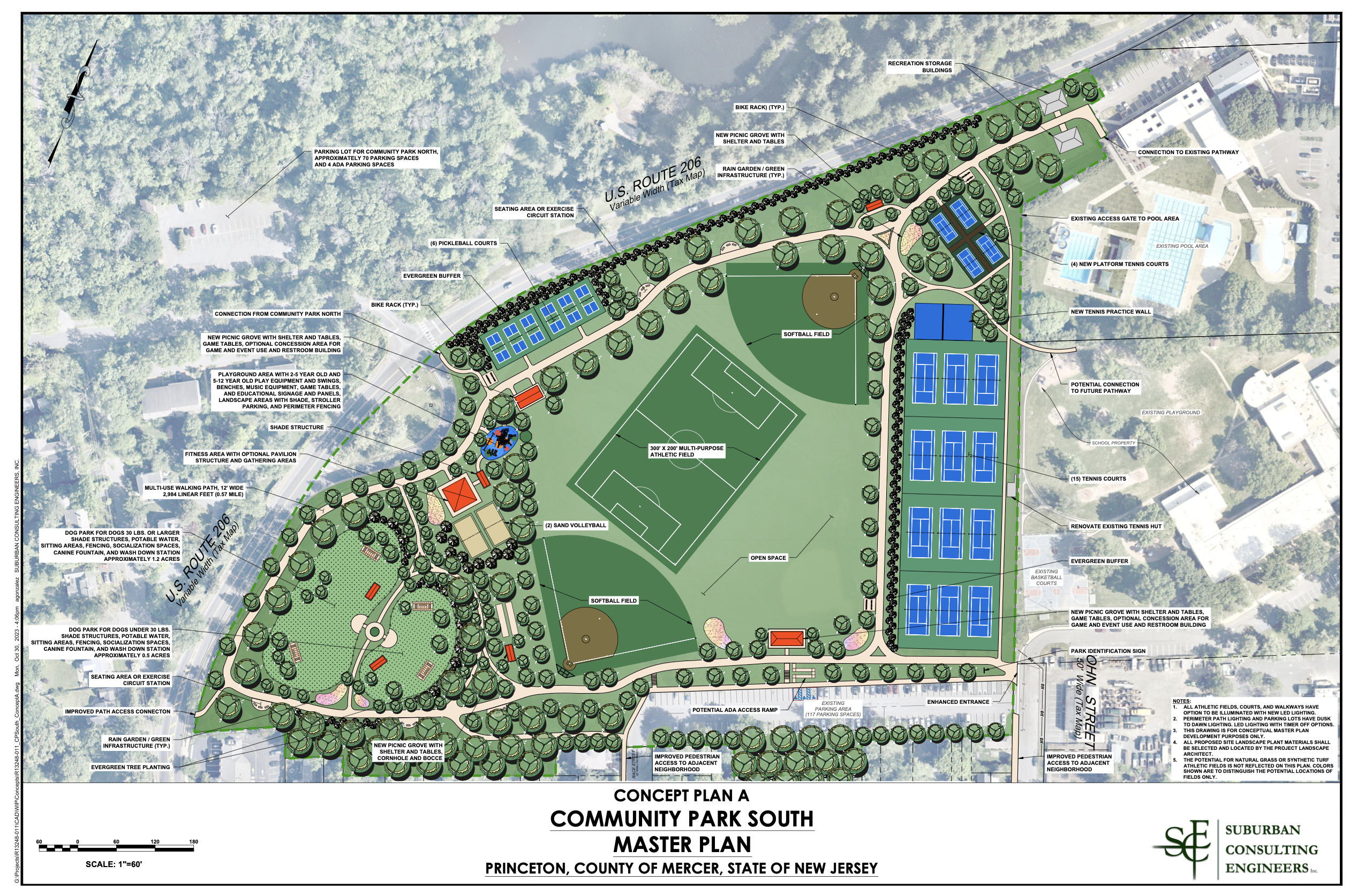
Concept plan for Community Park South, from Princeton Council meeting agenda packet of 11.27.2023
Princeton Council is set to consider a concept plan for a complete rebuild of Community Park South. The plan will be discussed in a work session at the Council meeting on Monday night, November 27, 2023. The concept is the preferred alternative of the Princeton Recreation Commission, which has been conducting a planning process since February. Community Park South is adjacent to Route 206, behind the Municipal Building at 400 Witherspoon Street (map). Princeton Council has intended to improve the park for many years. The current planning process involved meetings with local residents and stakeholders, and two public meetings. Seven concepts for a redesign of the park were considered, and of those, ‘Concept A’ was considered the best, although the Recreation Commission suggested that Council consider several additional questions.
Earlier this year, David Keddie, founder of ‘Walkable Princeton’ founder was invited to join Mayor Mark Freda on Episode 42 of “The Princeton Podcast”. The regular recordings are a way for Mayor Freda to talk to different members of the community and hear from Princeton residents who “contribute their time and talent to our culturally diverse and historically rich community”. David and Mayor Freda had the chance to discuss many of the ideas that inform the ‘Walkable Princeton’ group, including Smart Growth, housing affordability, and environmental sustainability.
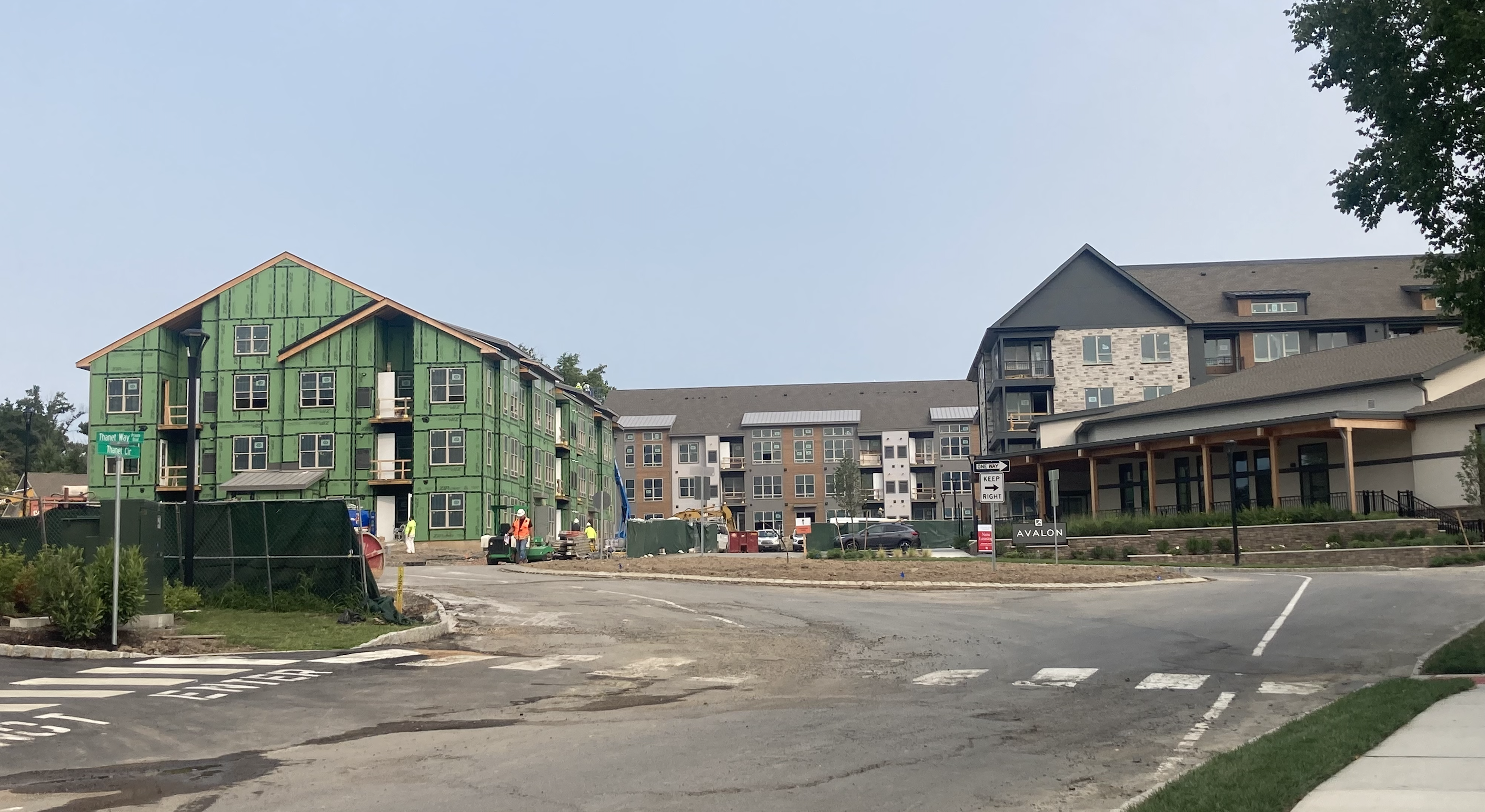
New apartments nearing completion at Avalon Thanet in Princeton, August 2023.
Our semi-regular review of the apartment scene in Princeton is back! Read this review if you want to know how much you should expect to pay for an apartments in Princeton in September of 2023. We last looked at Princeton rental rates a year ago, in August 2022 (link to article), at which point a 1-bedroom apartment cost from about $2,200 / month upwards. How have things changed since then?
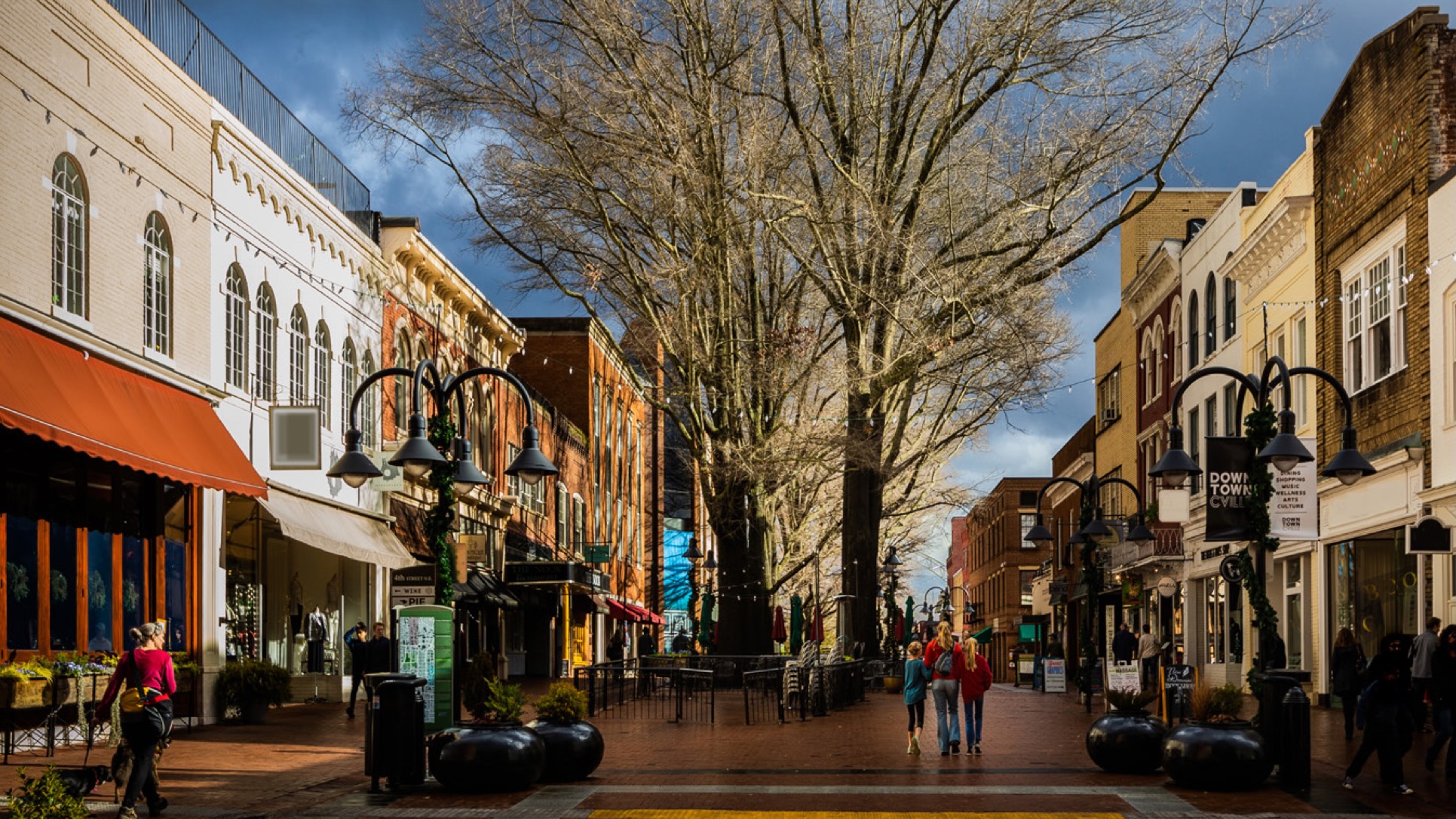
Home to a prestigious university and a growing, diverse population, Charlottesville VA (population: 46,553) has many things in common with Princeton. But although there is much to appreciate in its walkable downtown, Charlottesville has also struggled in recent years with a growing crisis of housing affordability. Increasing prices threaten long-standing communities who are at risk of displacement, and young people find it hard to find places to live. In response, the city is enacting far-reaching changes to land use, with a specific focus on racial equity and affordability. As Princeton works to rewrite its community master plan for the first time since the 1990s, could lessons be learned from a similar college town?
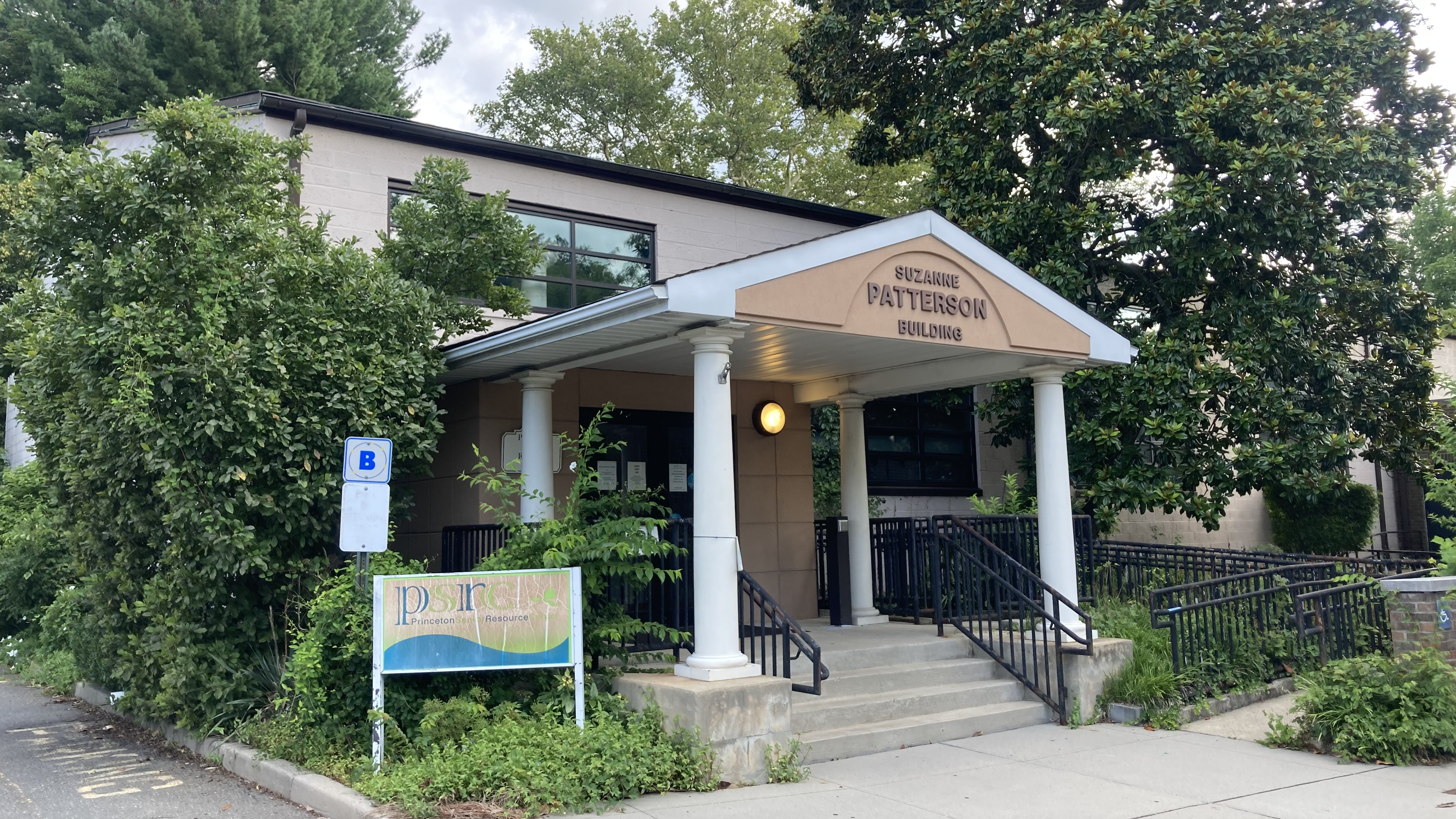
The Suzanne Patterson Building at 1 Monument Drive, one of the locations of the Princeton Senior Resource Center, which provides services to the town’s aging population.
A couple of years ago, we got the first results from the 2020 US Census, which showed that the population of Princeton, NJ had grown to 30,681 (Report: “Princeton NJ population reaches 30,681 in 2020 Census“). That figure reflected a +7.4% increase on the 28,572 people who were counted in the old Borough and Township in the Census of 2010. In May of this year, a major new dataset released by the US Census Bureau, based on findings from the 2020 Census, gave us the chance to find out more about who these new Princeton residents are. How has the makeup of the town changed?
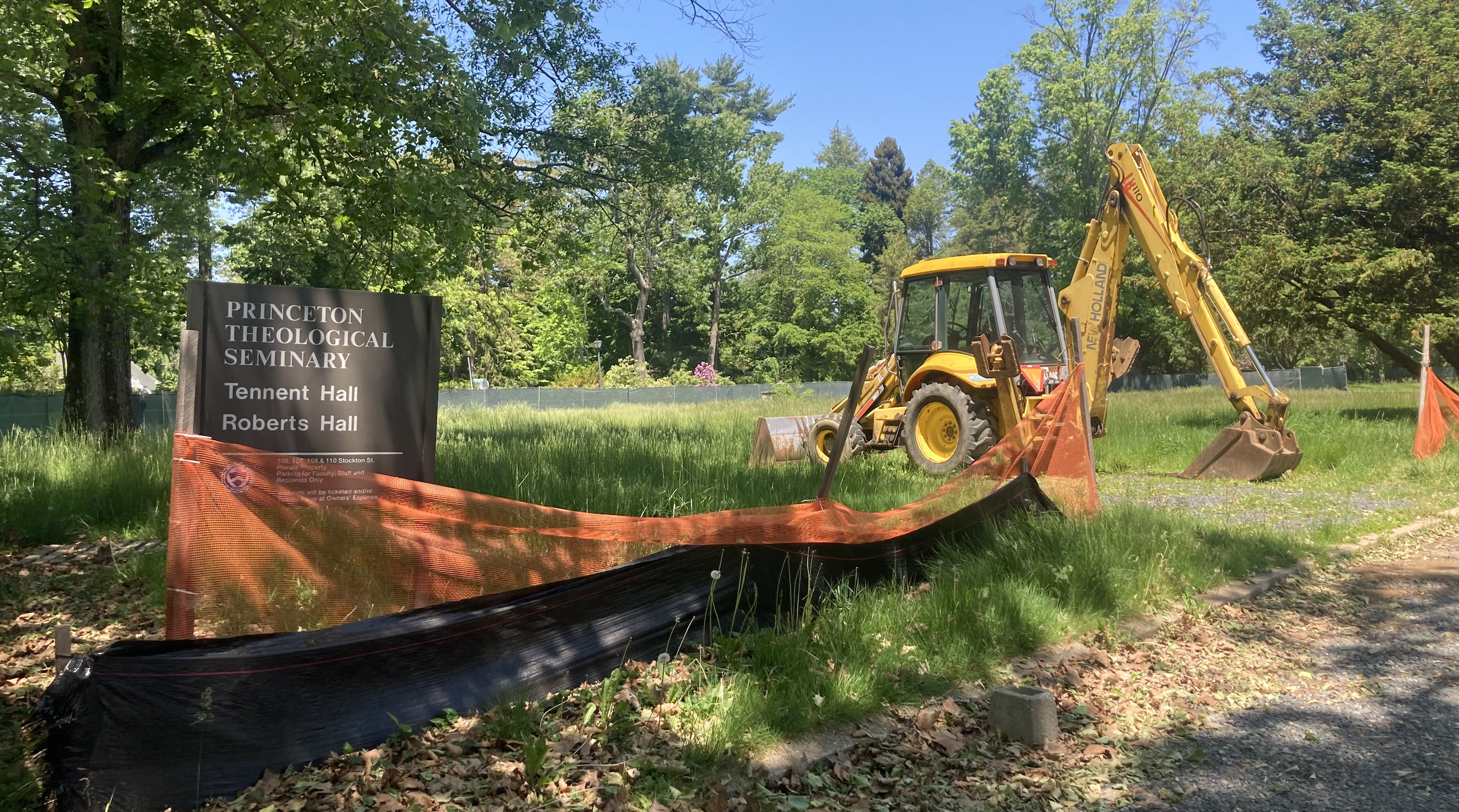
The vacant Tennents-Roberts campus of Princeton Theological Seminary awaits potential redevelopment in June 2023.
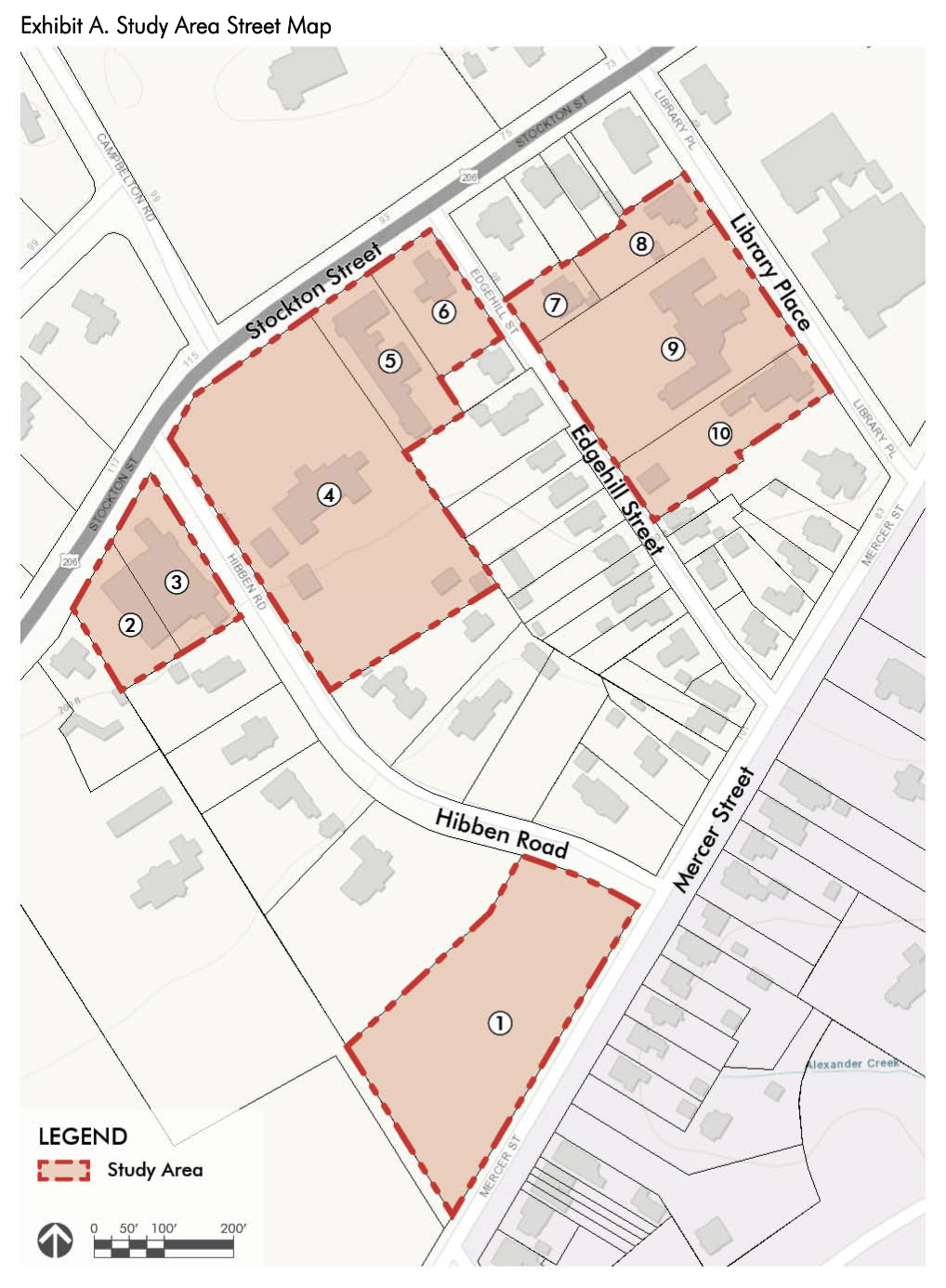
In a classic example of “speak softly, but carry a big stick”, the would-be developer of the former Princeton Seminary Tennent-Roberts site off Route 206 has laid down a threat to neighbors who have blocked previous efforts for redevelopment: if they can’t cut a deal about what to build, they may sue the town. And they think they will win. The case involves 10 acres of land that was designated as a redevelopment area by Princeton Council in 2018. These acres are off of Stockton Street (aka State Road 206) around Library Place, Edgehill Street, and Hibben Road (map). The land is about 10 minutes walk from downtown Princeton, making it an extremely attractive area for “Smart Growth” redevelopment.
A previous plan by the Princeton Theological Seminary to redevelop these acres ended in acrimony in 2019. The Seminary had hoped to build housing for their students on the site, so that those students could live within walking distance of campus, instead of in various townships outside of Princeton. Despite a large number of meetings with neighbors, it was impossible to strike a compromise for redevelopment that was acceptable to all parties. Councilman David Cohen, who was deeply involved in the negotiations, told the “Town Topics” newspaper that “nothing could be further from the truth” than the way that certain neighboring residents characterized the process.
The Princeton Theological Seminary subsequently entered into a contract to sell the land to a developer, widely understood to be Herring Properties. In a community meeting last month (view video here), representatives of the developer described how they hoped to meet the desires of neighbors. Redevelopment would involve good design, enhanced stormwater mitigations, and tree protection.
However, they also cited a recent case in Madison NJ, where a judge ruled that the availability of additional land could be used to meet a town’s “unmet need” for state-required affordable housing. The former Princeton Borough had a historic ‘unmet need’ for affordable housing, because the former Borough claimed that there was not enough available land to build housing to meet state requirements for low-income housing. The Seminary lands are now available for redevelopment, and could be used to help resolve that unmet need, which means that a developer could apply to the courts to get permission to build, regardless of local land use rules or the concerns of neighbors.
The developer’s position is important, because neighbors are continuing to urge the town to play hardball in negotiations over redevelopment of the Seminary lands. The reality is that if the developer proposes any kind of inclusionary affordable development, the town would be taking a big risk by saying “no”. No specific plan for redevelopment of the Seminary lands has been revealed at this time, but the town will have to decide if it’s worthwhile to take on a potential legal battle if neighbors don’t like what is proposed.
Related materials:
Video of May 6 Public Meeting Concerning Redevelopment of the Seminary Site:



 walkableprinceton