Princeton Council looks set to accept the figure for new affordable housing units set by the state of New Jersey last October (Report: State: Town of Princeton Must Plan For 276 New Affordable Homes To Be Built Over Next Ten Years). This decision will be made official at the Princeton Council meeting on Monday night, January 27, when the governing body will consider Resolution 25-51 “committing to DCA’s Fourth Round Affordable Housing Present Need and Prospective Need Numbers”.
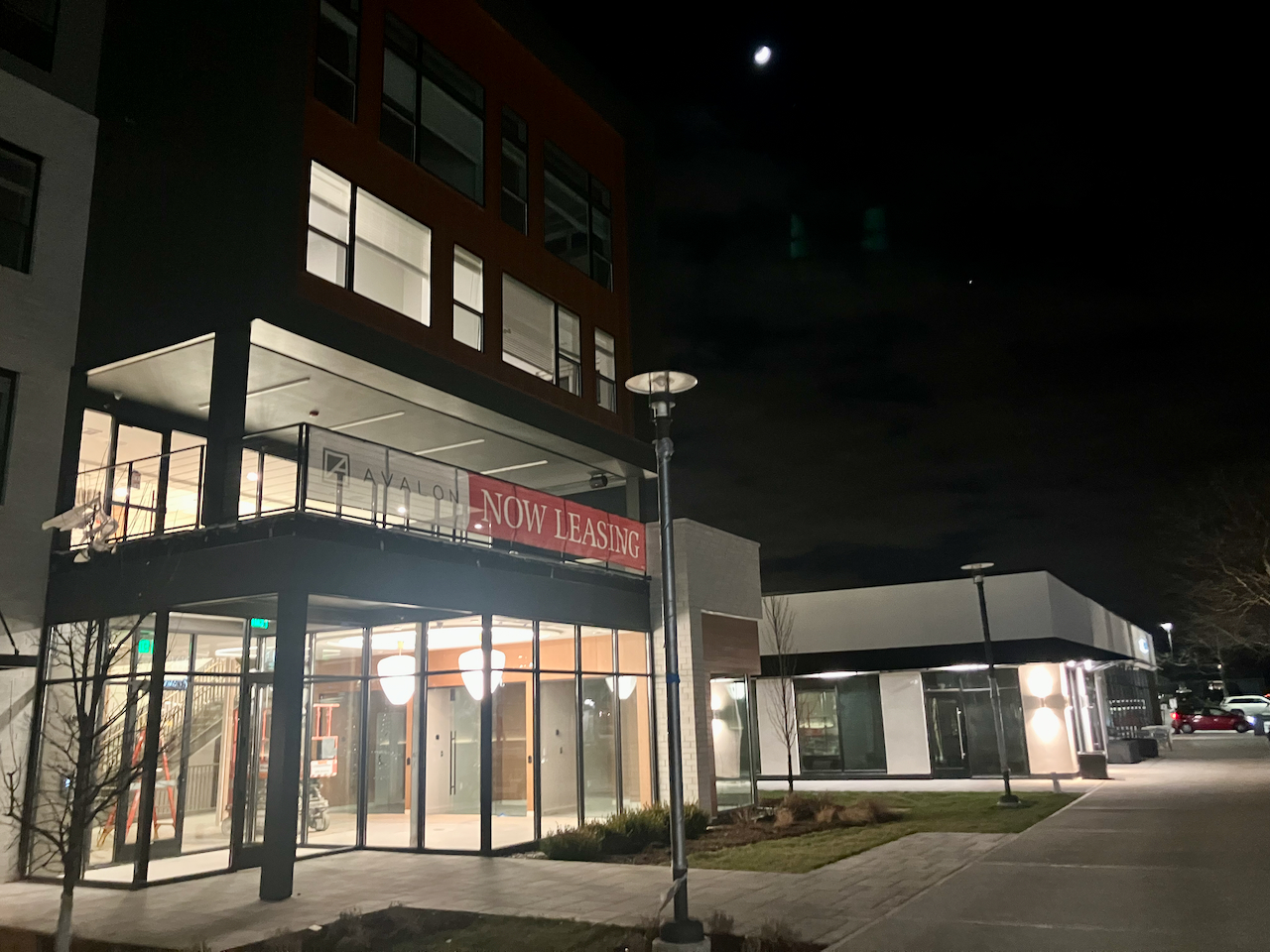
The new affordable housing must be built as part of the “Fourth Round” of New Jersey’s “Mt Laurel” housing process. These regulations require every town to build its “fair share” of affordable housing units required by the state. Under the current process, those figures are calculated by the state Department of Community Affairs (DCA). Last October, DCA specified that Princeton should provide 276 new affordable homes over the period of 2025-2035. This is in addition to the affordable housing built as part of the previous round, which includes several inclusionary apartment developments in and around the Princeton Shopping Center, and a 100%-affordable developments on Mt Lucas Road and Princeton Community Village.
According to New Jersey’s affordable housing law, towns have until January 31 to approve or contest the figures for affordable housing obligations specified by DCA. Princeton Council has left the decision on whether to accept the figure of 276 units until the last available regular meeting before that date. The town’s resolution also reserves the right to challenge the figure in future based on vacant land adjustments. Other towns, including Bridgewater Twp, East Brunswick, and Verona have already disputed the DCA calculations. They are arguing that the DCA included open space and unbuildable land as potential development areas when calculating their affordable housing obligations.
Related materials (via princetonnj.gov:
- Link to Council Meeting packet for 1/27/2025 (Resolution 25-51 is on Page 68)


 walkableprinceton